Introduction
When a life hangs in the balance, every 2nd counts. Cardiopulmonary resuscitation (CPR) emerges as a sign of hope, a skill that can turn anguish right into survival. Yearly, numerous individuals experience heart attack, and it's typically bystanders who possess training from a first aid course that conserve lives. This post digs deeply into the life-saving relevance of CPR, weaving in tales from real-life scenarios where mouth-to-mouth resuscitation made all the distinction. From recognizing the fundamentals to exploring relocating accounts of heroism, we will certainly unwind the need of this ability in our daily lives.
The Life-Saving Relevance of Mouth-to-mouth Resuscitation: Stories from the Field
What is CPR?
Cardiopulmonary Resuscitation (CPR) is an emergency procedure executed on people whose heart has quit beating or that have quit breathing. This strategy combines upper body compressions with man-made air flow to keep blood circulation and oxygenation till professional clinical help arrives. Recognizing its value might indicate the difference in between life and death.
Why is CPR Important?
Every year, around 350,000 cardiac arrests take place outside health centers in the United States alone. According to research, prompt mouth-to-mouth resuscitation can increase or triple a victim's opportunity of survival. By learning how to execute CPR through appropriate CPR courses, you equip yourself with the tools needed to act decisively in emergencies.
Personal Accounts: Lives Changed With CPR
A Bystander's Account
Imagine a bright mid-day at a regional park when suddenly, a male breaks down while jogging. Bystanders are frozen in shock up until someone steps forward-- their first aid certificate in hand and understanding fresh from their recent first help and mouth-to-mouth resuscitation course They launch mouth-to-mouth resuscitation within minutes, keeping blood flowing to his heart and brain up until paramedics get here. This story exhibits how trained individuals can make a life-saving difference.
A Kid's Brave Act
In an additional circumstances, an 11-year-old lady had actually just finished her first help courses at institution when she witnessed her daddy collapse at home because of cardiac arrest. Remembering her lessons on executing upper body compressions and calling for assistance, she managed to keep him alive till emergency solutions showed up. This touching narrative highlights that age does not limit one's ability to save lives; it simply takes proper training.
The Science Behind CPR
Performing mouth-to-mouth resuscitation involves 2 crucial elements: chest compressions and rescue breaths. Upper body compressions keep blood circulation while rescue breaths offer oxygen to crucial organs.
- Chest Compressions: Pressing the breast a minimum of 2 inches deep at a price of 100-120 compressions per minute maintains blood circulating. Rescue Breaths: For adults, after every 30 upper body compressions, 2 rescue breaths must be provided if educated to do so.
Understanding these strategies is vital for any individual looking to handle the duty of conserving another's life.
Types of CPR Courses Available
Community Programs vs. Expert Training
Community-based courses are frequently created for non-medical personnel who want standard knowledge.
Professional training courses cater particularly to doctor that need advanced abilities for essential situations.
Online vs. In-Person Training
With innovation's advancement, several organizations now provide online alternatives for those seeking to earn their first aid certificates comfortably:
- Online Courses: Flexible scheduling however might do not have functional hands-on experience. In-Person Courses: Allow participants to practice techniques under professional guidance however require even more dedication regarding time and location.
Choosing the Right Program for You
Before enrolling in any program, consider your goals-- are you trying to find personal skills or expert qualifications? Recognizing your intent will lead you toward selecting an appropriate program customized to fulfill your needs.
The Function of Emergency treatment and CPR Certification
Why Get Certified?
Certification from respectable organizations provides reliability and enhances your understanding about emergency situation reactions:
- Employers commonly choose qualified individuals for roles calling for first-aid readiness. Certification aids you stay updated with current standards that advance based on research findings.
How Typically Needs to You Renew Your Certification?
It's generally recommended that complete certification be renewed every two years; however, some organizations might recommend annual refresher courses or workshops to keep efficiency in skills discovered throughout your preliminary training.
Benefits Beyond Emergency Situations
Learning first aid extends past just carrying out mouth-to-mouth resuscitation; it includes acknowledging indications of stroke (utilizing FAST), treating burns or wounds effectively, taking care of choking occurrences-- all necessary abilities that add favorably throughout emergencies.
The Mental Influence of Learning CPR
Building Confidence in Emergencies
One major advantage experienced by individuals who finish a first aid course is enhanced confidence when faced with potential emergencies:
Knowledge lowers fear.
You feel encouraged knowing you can make a difference if needed.

Overcoming Hesitation During Emergencies
Many individuals are reluctant when seeing an emergency situation because of be afraid of making mistakes or exacerbating scenarios; nonetheless:
- Having gone through training eases concerns regarding incorrect techniques. Familiarity leads you in the direction of instinctive activity instead of paralysis by analysis.
Real-Life Success Stories Post-CPR Training
Case Research study: The Lifeguard Incident
A lifeguard trained with local community programs effectively revitalized a sinking target utilizing his obtained skills:

Immediate analysis adhered to by starting rescue breaths.
Coordination with emergency responders made certain prompt clinical intervention post-rescue effort leading in the direction of recuperation without lasting effects!
This example highlights why normal participation in such courses raises recognition around safety measures within numerous setups like swimming pools or beaches!
Recognizing the Indicators Early On
Another account informs us about an individual aware sufficient after completing their first aid training-- they discovered somebody having seizures while out grocery store buying! As they stepped into activity rapidly examining symptoms effectively administering care before paramedics can show up-- the outcome declared due persistance pays off!
Barriers to Learning First Aid and CPR
Common Misunderstandings About First Aid Training
Some believe that first aid training requires extensive medical understanding or time commitment-- it does not! Many programs use concise yet detailed coverage appropriate for all degrees-- from beginners wanting standard details up via professionals seeking certifications!
Accessibility Issues
Access stays a problem due mostly limited availability worrying areas offering these necessary lifesaving abilities; therefore organizations must work towards connecting spaces ensuring every person obtains possibilities regardless geographical limitations!
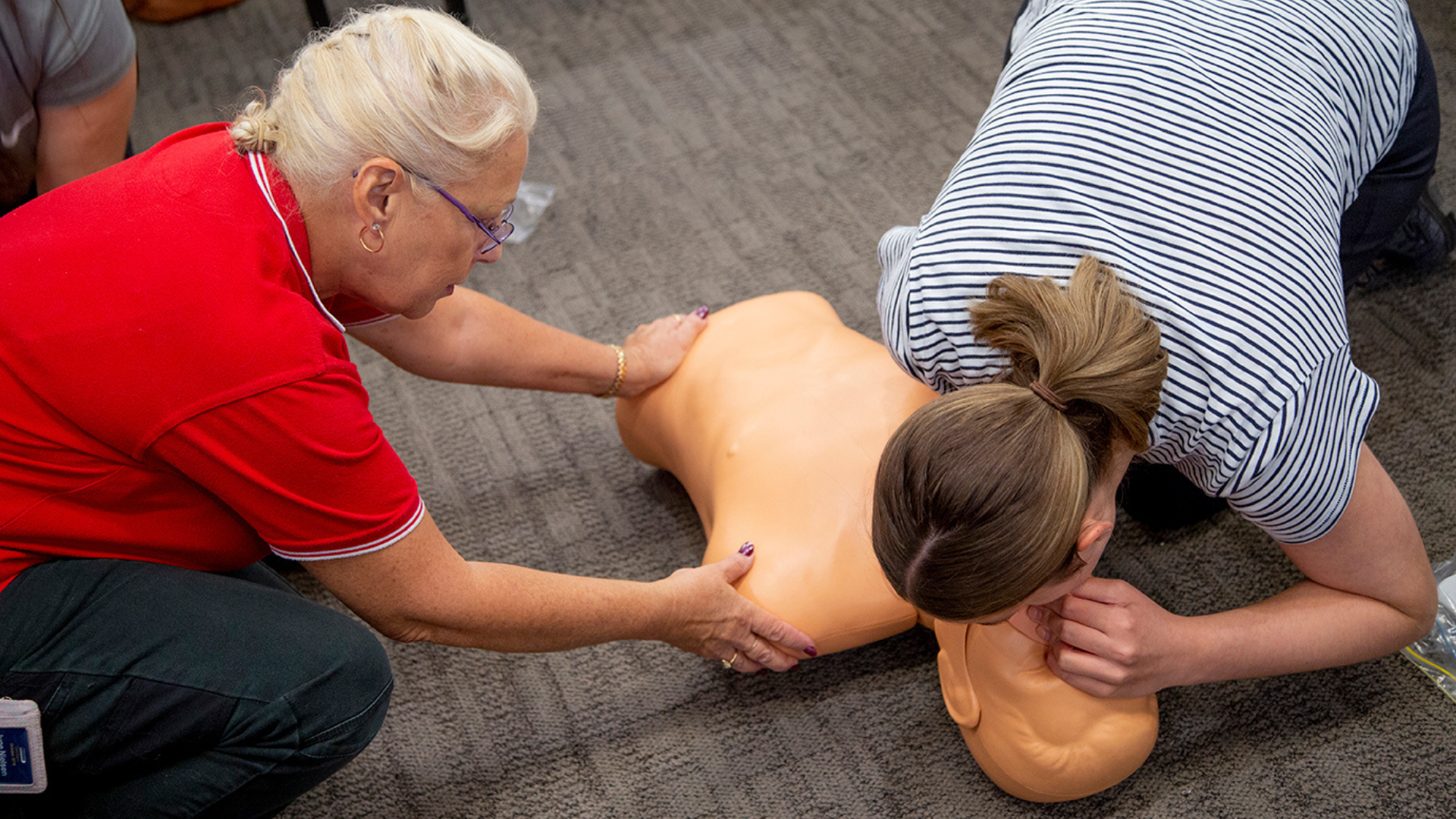
How Neighborhoods Can Advertise Emergency Treatment Awareness
Partnering With Regional Organizations
Communities can strengthen knowledge by partnering with health and wellness companies providing totally free seminars covering topics like fundamental first-aid practices emphasizing just how critical readiness matters!
Schools applying academic sessions teaching kids age-appropriate strategies fosters long-term benefits!
Senior centers hosting workshops reassuring older populaces enhances neighborhood communication whereby sharing experiences urges participation among peers better spreads recognition effectively too!
Utilizing Social Media Platforms
Social media outreach functions as effective opportunities raising rate of interest bordering forthcoming occasions associated providing insights brought into play stories shared illustrating successful executions acting upon discovered strategies motivating others join motions producing culture valuing safety and security preparedness!
FAQs Regarding First Aid and Mouth-to-mouth Resuscitation Training
What does a typical emergency treatment course cover?- A regular program covers subjects such as wound treatment, choking management, recognizing strokes/heart assaults together with hands-on practice executing upper body compressions & & rescue breaths forming core foundation necessary lifesaving techniques involved throughout emergencies!
- While on the internet sources supply adaptability access primary downside pertains lack sensible experience which is vital grasping these abilities thus combining both formats often yield optimum results!
- Absolutely! Any person aged nine years of ages & & over can undertake training regardless background-- no previous clinical proficiency required!
- Most courses range anywhere from six hours up with two days depending deepness web content covered including useful examinations ultimately leading in the direction of issuance identified accreditations mirroring skills acquired throughout process!
- Call emergency services promptly examine if aware check breathing beginning providing suitable activities based on situational context consequently improving outcomes significantly!
- Generally speaking renewals happen every 2 years; nonetheless added refresher courses might be required annually based upon particular organizational criteria executed regionally locally across the country reacting developing practices continually adjusting effectively emerging obstacles faced regularly!
Conclusion
The Life-Saving Value of mouth-to-mouth resuscitation can not be overemphasized-- it stands as not simply a skill however an important resource capable altering fates among uncertainty bringing hope where misery loomed overhead formerly preventing loss human life unnecessarily taking place within neighborhoods day-to-day! With actively engaging on your own seeking accreditations allowed getting devices required handling prospective crises confidently making sure families pals shielded continuing to be secure recognizing help conveniently offered always close hand prepared take part adding favorably culture total reinforcing spirit durability personified amongst citizens anywhere! Do not wait-- start your journey today by signing up in an emergency treatment course or finding regional CPR courses near you; make certain you're prepared due to the fact that you never ever understand when you could Mackay First Aid Course Near Me require it most!